The first real decision with Antarctica is not which ship to pick, it is which month fits what you want to see. That single choice drives route, price, sea conditions and how much wildlife you will realistically watch from the deck, so I settle it with clients before we open a single cabin list.
Pick your window first
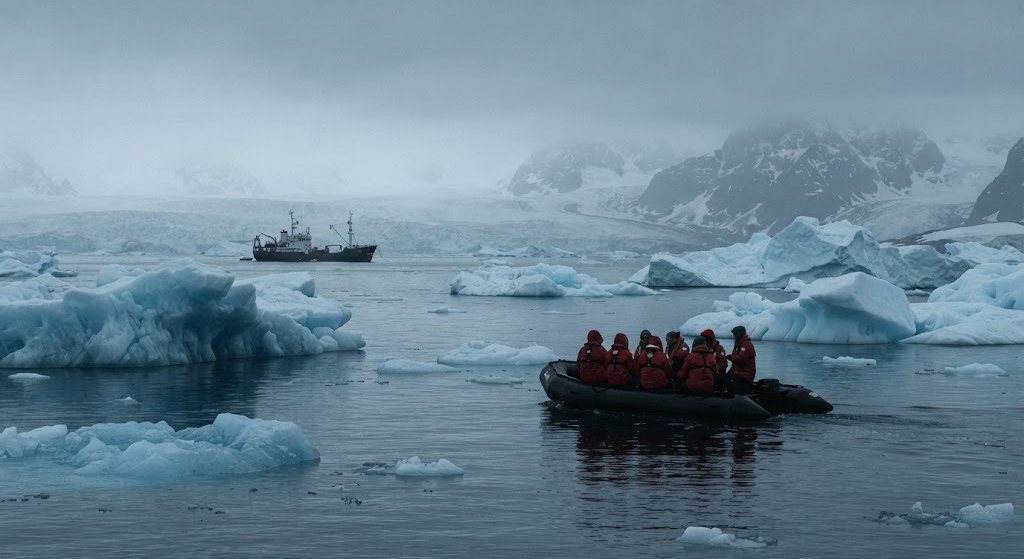
Antarctica runs in the Southern Hemisphere summer, roughly November through March, and the three blocks behave differently. November and early December bring fresh snow, courtship displays and the quietest harbors. January is warmest, chicks are hatching and penguin colonies are at their busiest. February into March offers the longest days, whales moving in and ice breaking up so ships can push further south.
I tell first-timers that mid-December to late January is the safest compromise: stable light, active colonies and enough departure dates that a flight delay does not ruin the trip.
Choose the route before the ship
Most voyages split into three patterns. The classic Peninsula trip is seven to ten nights from Ushuaia and covers the South Shetlands and the northern Peninsula. Circle or deep-south itineraries run fourteen nights or more and reach the Weddell Sea and East Antarctica. Fly-cruise options skip the two-day Drake Passage crossing by landing you on King George Island, which matters a great deal if you are prone to motion sickness.
- Peninsula route: shortest, most landings, best value for a first visit.
- Extended route: more ice, more remote anchorages, higher fare.
- Fly-cruise: two extra flight days, no Drake swell, book early because capacity is tiny.
Ship size changes the whole trip
Expedition ships fall into rough bands. Under two hundred passengers you can land in zodiac groups quickly and spend real time ashore. Two to five hundred is the mainstream range with good stabilizers and a full activity team. Anything larger usually stays offshore and offers scenic cruising only, which is still beautiful but is a different product.
I weigh baggage limits, helicopter pads on fly-cruise vessels and whether the ship carries kayaks or a science program, because those details decide how the sea days feel.
What a landing day actually looks like
Wake-ups are early. After a full zodiac briefing you suit up in the parka and boots provided, ride out in small groups, then spend one to two hours ashore near a rookery under strict distance rules. Afternoons bring a second landing or a zodiac cruise between icebergs, and the ship repositions overnight so every morning starts somewhere new.
Two rules keep people comfortable: dress in merino layers rather than one heavy jacket, and put the waterproof trousers on before you step into the zodiac, not after.
Wildlife timing beats species hunting
Penguins, seals and whales are all present for part of the season rather than all of it. If whales are the priority, target February. If you want active penguin colonies with chicks, go in January. Snow petrels and albatross show up on crossing days, so the sea days are never empty.
Logistics that need booking early
- International flights into Buenos Aires or Santiago, with a buffer night before the Ushuaia connection.
- Any pre-cruise hotel and the optional Antarctic preparedness or photography workshop.
- Travel insurance that explicitly covers evacuation from a remote continent.
- Gear you actually own: binoculars, sea-sickness tablets, a dry bag for the zodiac seat.
Regulations worth knowing before you go
All operators follow IAATO guidance on group sizes, biosecurity checks and minimum distances from wildlife, and ships carry expedition staff who brief you before every activity. Clean outer layers before each landing and never bring food ashore. Those rules are why the place still looks the way it does.
The step I would take this week
Decide your month, then decide fly-cruise or classic crossing. Everything else, including ship and cabin, falls out of those two answers quickly, and popular departures for the coming season tend to fill a year ahead.