Most people start browsing ships and end up lost in cabin categories. I reverse it: decide the pace you want from a holiday, then let that choice narrow the lines, the route and the sailing week.
Match the line to the pace you want
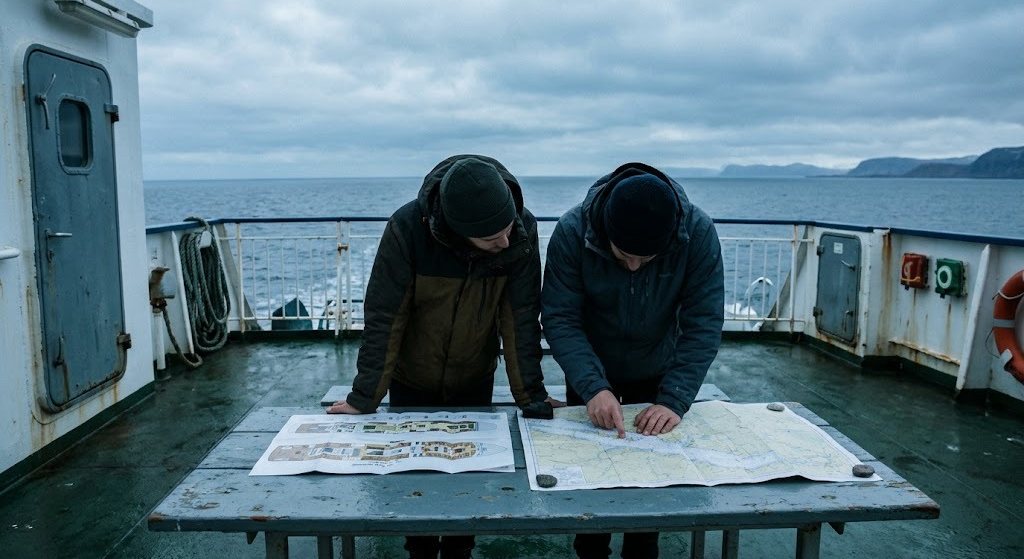
Mass-market ships run like floating resorts, with broad dining, shows and kids programs, and they suit families and first-timers. Premium lines cut the passenger count, lengthen port days and quiet the public rooms. Expedition ships exist for landings rather than entertainment, and river boats trade every big-ship amenity for the ability to dock in the center of a town.
- Write the three things you want most from a sea day: quiet, activity or food variety.
- Match that to a line tier before you look at a single itinerary.
- Check the age mix and the crew-to-guest ratio, since both shape the daily mood.
Ocean, river or small ship
Ocean cruises cover distance and give you a different horizon each morning: the Caribbean, Alaska, the Mediterranean, transatlantic legs. River cruises slow everything down and trade sea days for towns you can walk into. Small-ship and expedition options sit between the two, with fewer passengers, more flexible landings and itineraries that change with weather rather than with a schedule.
Time the sailing
Alaska is best from late May to mid-September, when glaciers are calving and daylight runs past ten. The Caribbean settles into calm seas from December through April, while summer brings lower fares and a real chance of storms. Mediterranean weeks in May, June and September balance warm water with thinner crowds.
- Holiday sailings cost thirty to fifty percent more and book a year out.
- Shoulder weeks give better cabins for the same money.
- Shoulder-season repositioning cruises cross oceans one-way at a discount.
Price the real total, not the headline fare
Before comparing quotes, list what the fare excludes: taxes, port charges, drinks, wi-fi, gratuities and the excursion you will want in every port. A beverage package changes the math for a couple who dine on board, while a drink-a-day traveller usually comes out ahead paying as they go. Ask for the package price in advance so the difference is visible.
Cabin choice matters more than deck
Mid-ship lower decks feel the least movement and cost less than a top-floor balcony. Aft cabins sit above the engines but give the biggest outdoor space. Balconies earn their price on scenic routes like Alaska or Norway, and matter less on short Caribbean hops where you are off the ship most of the day. Solo travellers should check whether the single supplement is waived on that sailing, since some lines run studio cabins specifically to avoid it.
Whichever cabin you take, ask for a plan of the decks before you confirm. Being two staircases from the dining room and clear of the children's club is worth more than an extra few square feet.
Build the flights around embarkation
Fly in a day early, and if the port is a long transfer from the airport, add two nights. Cruises do not wait for delayed connections, and neither do the airlines holding your separate ticket. Keep the return flight open late enough that a port delay cannot strand you at the terminal.
What to book before you sail
- Shore excursions for the ports with limited capacity, such as glacier landings or private guides.
- Specialty restaurants for celebratory nights, since prime tables go early.
- Insurance that covers missed embarkation and medical evacuation.
- Any visa or health entry requirement the itinerary crosses into.
The single decision to make first
Choose ocean or river and the length of trip you can genuinely take off. Those two constraints decide the rest, and once they are set the ship list becomes short enough to compare in a single evening.