This list comes from the river trips I have booked and taken myself, mostly on the Rhine, Danube and Mekong, across shoulder and peak seasons. Run down it in order and you will have a defensible shortlist in an evening.
1. Pick the river, not the ship
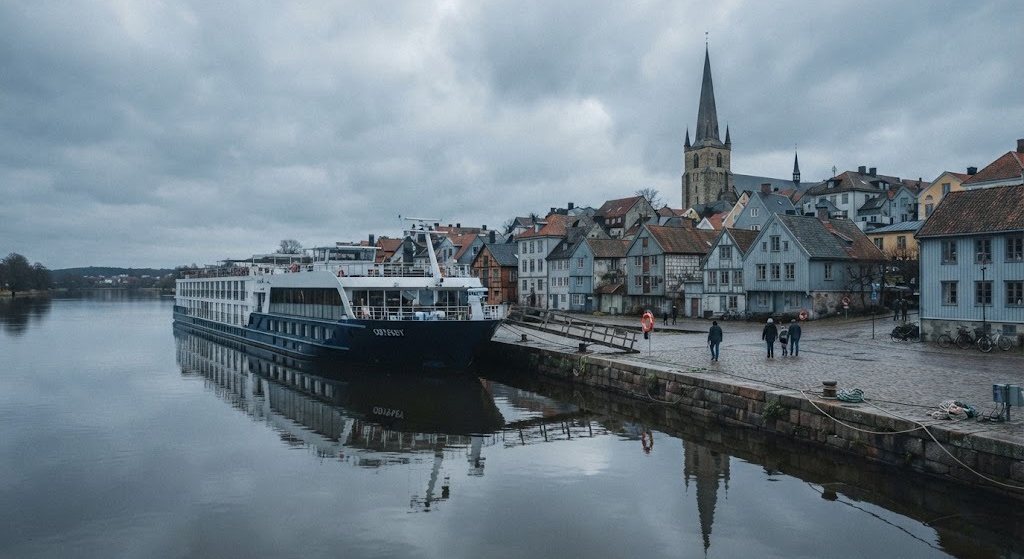
The itinerary decides everything you will see, and ships on the same river are broadly interchangeable. The Rhine suits first-timers who want castles and short hops. The Danube gives longer sailing days and bigger cities. The Mekong and Yangtze reward people who want markets and temples over vineyards. Decide the experience first and the vessel list shrinks on its own.
2. Match the sailing to your legs
European rivers average fifteen to twenty locks on a seven-night cruise, so embarkation days involve real movement. If you have knee trouble, ask for a mid-ship cabin near the lounge and check whether the boat has an elevator. I always confirm deck layout before paying, because photos rarely show the stair count.
3. Know what all-inclusive actually means
Operators use the phrase differently. In Europe it usually covers breakfast, lunch, dinner, wine or beer at meals, one shore excursion per port and gratuities. Long-haul river ships more often price excursions and drinks separately. Get the inclusions in writing and check the drinks window, since some boats stop pouring at ten and others run a bar all day.
4. Book the sailings with the dates that matter
April to October is the European season. Tulip sailings in spring sell out a year ahead, July and August are full and hot, and September often gives the best light and harvest festivals. On the Mekong, high water from roughly August to November means deeper channels and easier access to smaller villages, while low water from December to May can move the ship to a different berth.
5. Check the group size and the excursion pace
Ships carry eighty to one hundred and ninety passengers, which changes how fast you board a coach in each town. Ask how many people share a guide and whether walking tours are timed for longer stays. If you prefer to wander alone, look for lines that issue maps and let you go ashore without a wristband.
6. Budget the flights and the hotel nights around it
Most European cruises start in Amsterdam, Basel, Budapest or Nuremberg. Add two nights before sailing so a delayed connection cannot cost you the first port, and check whether the airline allows a separate ticket on the return. I book the hotel with a late checkout rather than gamble on a morning transfer.
7. Read the shore day pattern
A typical day is an eight or nine in the morning guided tour, free time over lunch, then an afternoon activity or a second town. Ports often alternate so passengers can choose morning or afternoon groups. Confirm whether the second excursion is included, because that is where the bill grows.
8. Put insurance on before you pay the balance
River travel is comfortable but it is still international with flights, and a missed embarkation is your problem, not the line's. Cover should include cancellation, medical repatriation and a missed-connection payout. Buy it with the deposit so pre-existing conditions and weather exclusions are handled while you can still change plans.
If you only act on two items, make them the first and the fourth: pick the river you want, then lock the date. Everything else is negotiable after that. Two practical additions for the final check: confirm whether the embarkation town needs a hotel night on either side, and ask for a deck plan so you know how many stairs sit between your cabin and the lounge.