Small ships get sold on the word intimate, which tells you nothing about how a week will actually run. I write coastal routes and book small-ship legs for clients, and the vessel question always comes down to numbers: how many passengers, how the boat lands you ashore, how much you can stow in the cabin, and what the ship does with a grey afternoon.
The sections below follow the order I use when someone hands me a route and a week. Work through them in sequence and the shortlist gets small fast.
Start with the route, not the boat
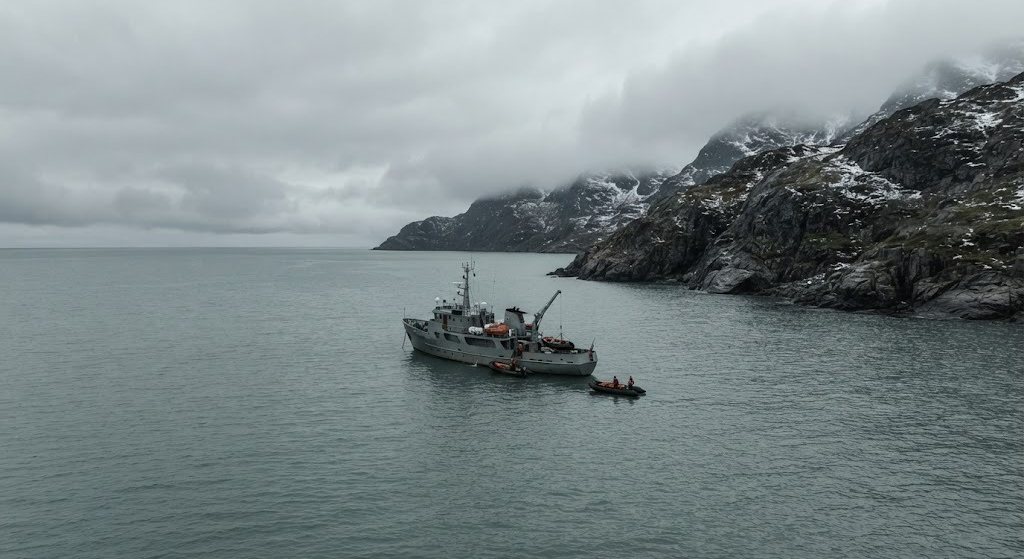
The itinerary decides the experience, and the ships on one route are closer than the marketing suggests. A Maine to Nova Scotia leg, an Adriatic island run and a week in the Grenadines each suit different hull sizes, and the same vessel feels spacious in one water and cramped in another. I fix the route and the sailing week first, then let cabin lists open. Route also sets the sea state you should expect, which is the part people underestimate.
Passenger count changes everything
Under a hundred guests you get crew who know your name by day two and tender runs that clear the pier in one trip. Between one hundred and two hundred the program widens: more guides, a second seating option, sometimes a small spa. Above two hundred you are on a small conventional ship, with published schedules and shore tours that leave on time whether you are back or not.
- Under 100: quietest, most flexible, fewest facilities, highest cost per night.
- 100 to 160: the balance point I book most often for a first small-ship week.
- 160 to 220: more choice onboard, tighter tender slots in popular anchorages.
Ashore: tenders and landings
Many small ships never dock. They anchor and run a tender, which turns a simple afternoon into a schedule you have to respect. Tender rides take ten to twenty minutes each way, the line forms after lunch, and the last run back is set by the captain rather than by your dinner table. Some ports use open boat landings in a swell, which is fun once and tiring twice.
I ask for the tender policy in writing before the deposit goes out, including whether guests with limited mobility get dock priority. The answer varies by operator and by port, and it is much easier to hear no at the start than after the balance is paid.
Docking changes the arithmetic completely. A ship that ties up in the old harbor lets you step off after breakfast and be back twenty minutes before sailing, which is worth a smaller vessel on its own. Two similar itineraries can differ by four tendered afternoons in a week, and that difference decides how tired everyone is on the last day.
Cabins and storage
Small-ship cabins are compact. A hundred-square-foot room works for a week if the wardrobe has hanging space and the bed platform takes two cases, and it fails for a fortnight if it does not. I read the deck plan for three things: distance from the engines, steps to the lounge, and whether a window or porthole is standard rather than sold as an upgrade.
Mid-ship low decks cut motion on open crossings. Cabins above the showroom and below the galley are the two I cross out first. Balconies are rare outside the top tier, so the usual trade is a larger interior cabin instead, and on anything longer than five nights I take the floor space over the view.
Storage questions worth asking before the deposit are mundane and they matter daily: whether the bathroom shelf takes your toiletry bag, whether there are hooks for wet gear, and whether the cabin has a second seat. On a wet morning ashore you will want somewhere for boots to drip, and ships that anticipate it give you a rail and a mat rather than a corner of the floor.
What the fare covers
Small ships often price close to all-inclusive: meals, house wine and beer, guided walks and in-port transfers are usually in. Flights, premium spirits, spa treatments and gratuities usually are not, and some operators add a fuel or landing surcharge late in the cycle. I keep the inclusions list in the same email thread as the quote, because memories of what was included fade faster than the price.
- Confirm whether guided shore time is included or sold as excursions.
- Ask about the bar: house brands only, or a tab settled at the end.
- Check the gratuity figure, often suggested per person per day.
- Look for port fees and any environmental or landing charges.
Booking order and timing
Popular small-ship routes release inventory about twelve months out, and the best cabins go first, since a ship with ninety passengers may have only twenty-five cabins worth arguing about. Shoulder departures in May, June and September hold better value than holiday weeks, which sell a year ahead at full fare.
I hold a cabin on a deposit and confirm flights only once the sailing is ticketed, because small-ship schedules bend with weather and ice longer than big-line schedules do. The one thing worth booking early is a hotel the night before embarkation: a missed tender is the classic expensive mistake, and one night ashore is the cheap fix. For the ship-side choices, cruise cabin choice covers decks and fares in the same detail, and cruise trip planning handles route and dates.